The Ultimate Preconception Checklist
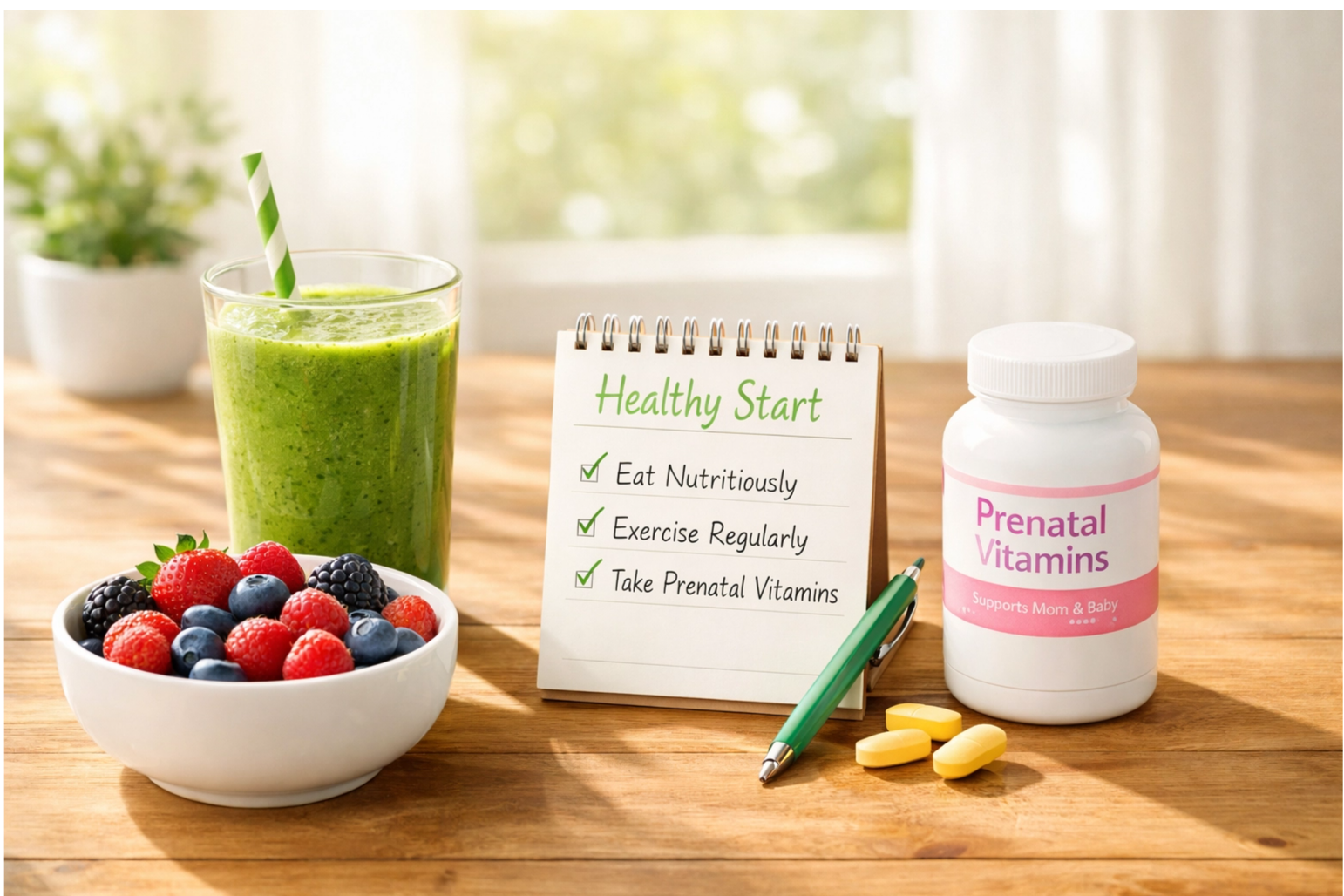
The Ultimate Preconception Checklist: Preparing for a Healthy Pregnancy
Embarking on the journey to parenthood is an exciting time, and preparing your body and mind before conception can significantly impact your health and the health of your future baby. This ultimate preconception checklist, inspired by the comprehensive support offered by Mama On Call, guides you through essential steps to ensure a healthy start.
Why Preconception Health Matters
Preconception health focuses on optimizing your well-being in the months leading up to pregnancy. It's about creating the best possible environment for conception and fetal development. Addressing health, lifestyle, and emotional factors beforehand can reduce risks during pregnancy and improve outcomes for both mother and child.
Your Preconception Health Checklist
1. Consult Your Healthcare Provider
Before you even start trying, schedule a preconception check-up. Discuss your medical history, any existing conditions, medications you're taking, and vaccinations. Your doctor can provide personalized advice and identify any potential concerns. This is also an excellent time to start taking a prenatal vitamin containing folic acid, which is crucial for preventing neural tube defects.
2. Optimize Your Nutrition
Eating a balanced diet rich in fruits, vegetables, lean proteins, and whole grains is vital. Focus on nutrient-dense foods and limit processed items, excessive sugar, and unhealthy fats. Hydration is also key. Consider consulting a nutritionist if you have specific dietary concerns or needs.
3. Achieve and Maintain a Healthy Weight
Both being underweight and overweight can affect fertility and increase the risk of pregnancy complications. Aim for a healthy Body Mass Index (BMI) through a combination of balanced eating and regular exercise. Gradual, sustainable changes are more effective than crash diets.
4. Review Your Lifestyle Habits
Quit Smoking and Alcohol: These substances can significantly impact fertility and fetal development. It's best to cease consumption entirely before trying to conceive.
Limit Caffeine: Moderate caffeine intake is generally considered safe, but reducing it can be beneficial.
Manage Stress: High stress levels can affect your hormonal balance. Incorporate stress-reducing activities like yoga, meditation, or spending time in nature.
Regular Exercise: Engage in moderate physical activity most days of the week. This not only helps with weight management but also improves overall health and prepares your body for pregnancy.
5. Understand Your Menstrual Cycle
Tracking your menstrual cycle helps you identify your fertile window, increasing your chances of conception. Methods include basal body temperature (BBT) charting, ovulation predictor kits (OPKs), and observing cervical mucus.
6. Partner Preparation Support
Preconception health isn't just for women. Encourage your partner to adopt healthy lifestyle habits, as male fertility is also influenced by diet, exercise, and avoiding harmful substances. Discussing your shared journey and supporting each other is crucial.
Mama On Call: Your Partner in Preparation
Mama On Call offers expert-guided virtual support, including preconception health education and lifestyle planning, to help you feel prepared, informed, and confident as you embark on this incredible journey. Their registered nurse and midwife bring years of experience to provide structured, non-clinical education and emotional support.
Further Reading & Resources
[1] The Website Doula. (n.d.). Doula Keywords for SEO | How to find & use.... Retrieved from https://thewebsitedoula.com/seo-for-doulas-keyword-guide/ [2] KeySearch. (n.d.). Top Pregnancy Keywords | Free SEO Keyword List. Retrieved from https://www.keysearch.co/top-keywords/pregnancy-keywords [3] GOV.UK. (2018, July 19). Preconception care: making the case. Retrieved from https://www.gov.uk/government/publications/preconception-care-making-the-case
